The deck you choose will be the one you look at while learning, asking questions and making sense of a reading. Its pictures should interest you enough that you want to return to them. A deck that feels comfortable to handle will make regular practice easier, too.
Look at the cards before choosing
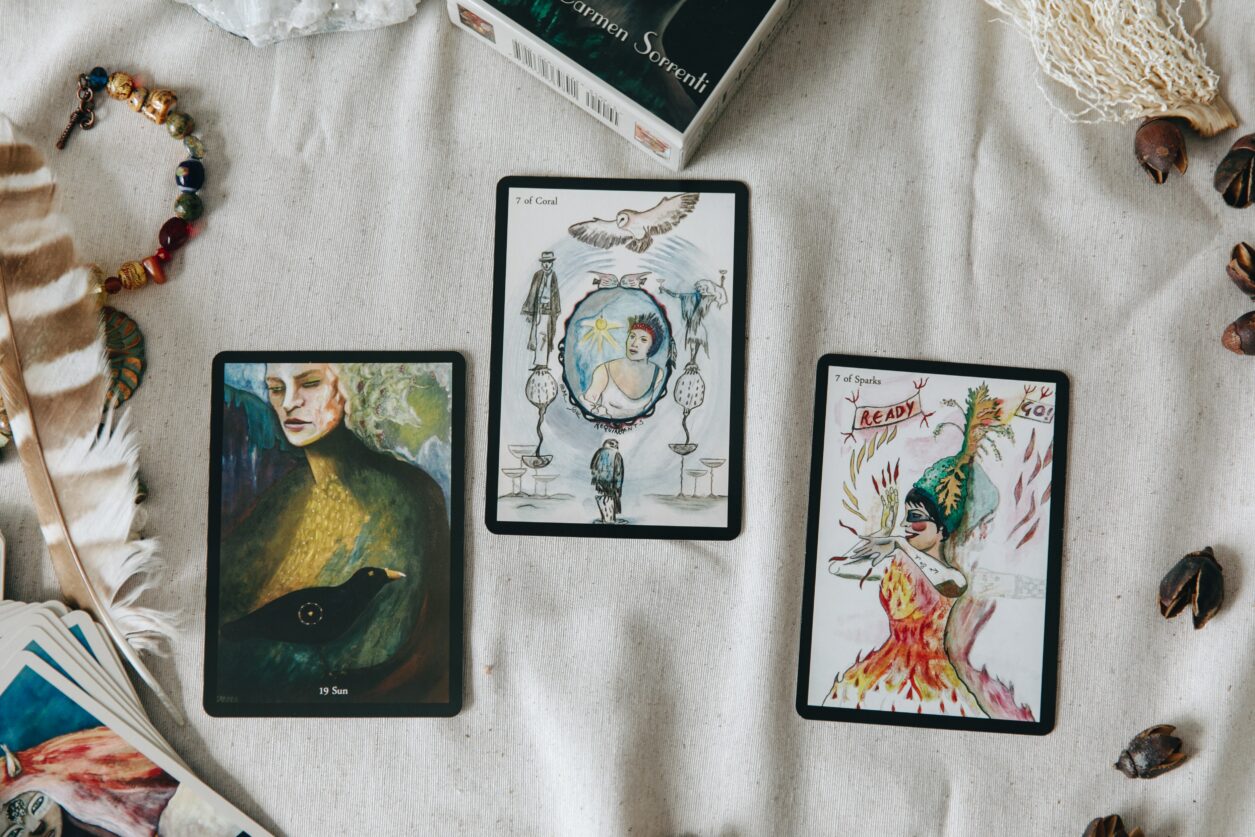
Browse several cards from a deck, including some from the Minor Arcana. A beautiful cover or a single striking image gives you only a small part of the picture. Notice how the artist shows people, settings and emotions across the cards.
Choose a card that catches your attention and describe what you see. Where does your eye go first? What seems to be happening? How does the scene make you feel? If the pictures give you something to think about, you have a useful starting point for learning their symbolism.
You may prefer traditional imagery, or a deck built around a particular theme. There are decks inspired by folklore, art, spiritual traditions and everyday life. Personal taste matters because you will spend a lot of time with these images.
Consider the symbolism you want to learn
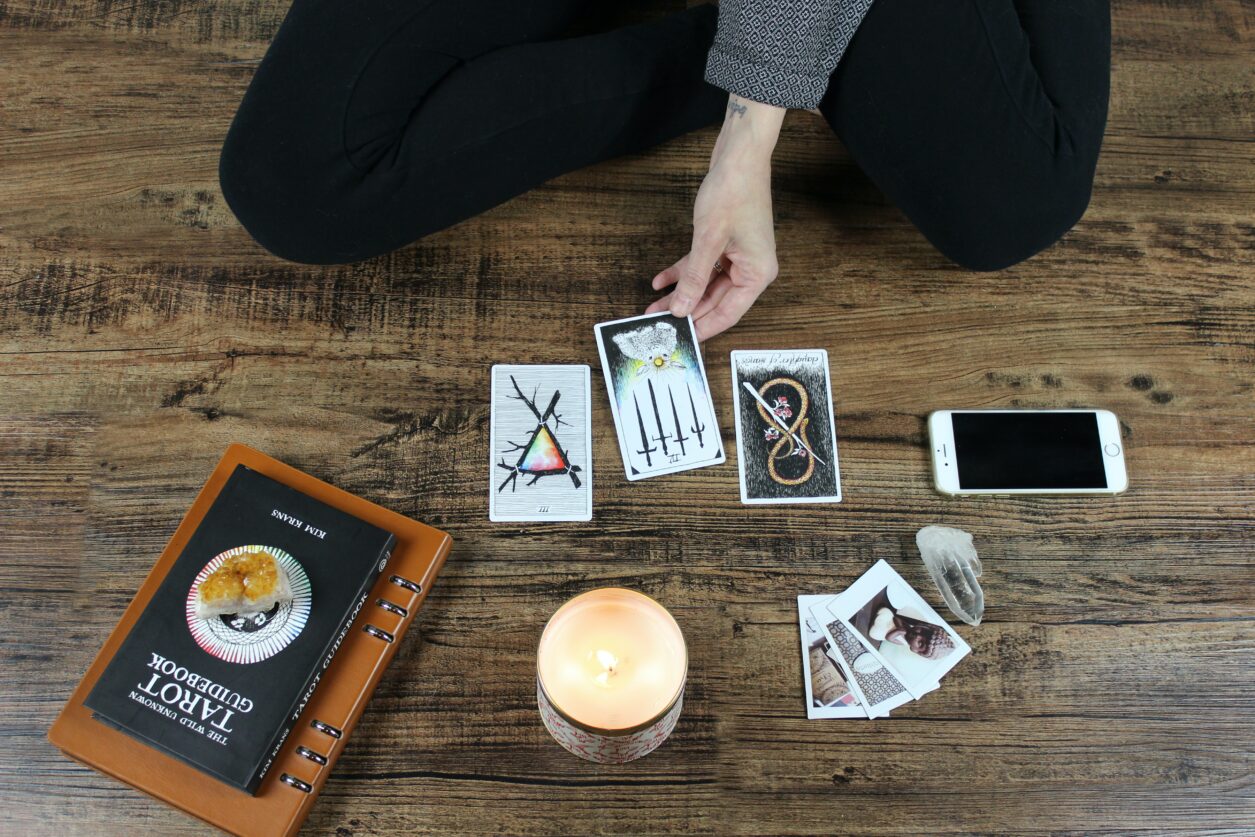
This site’s card guides use Rider-Waite-Smith imagery. A deck that follows that tradition makes it easier to compare the pictures in your hand with the descriptions in our 78-card library.
Other decks may change the artwork, card names or emphasis. Read the accompanying guidebook and notice those differences. You can still use a general card guide, while allowing the deck’s own pictures and explanations to inform your reading.
If the divisions of a tarot deck are new to you, read An Introduction to the Tarot Cards before comparing decks. Knowing the Major Arcana, suits and court cards helps you see how a deck is organized.
Check the practical details
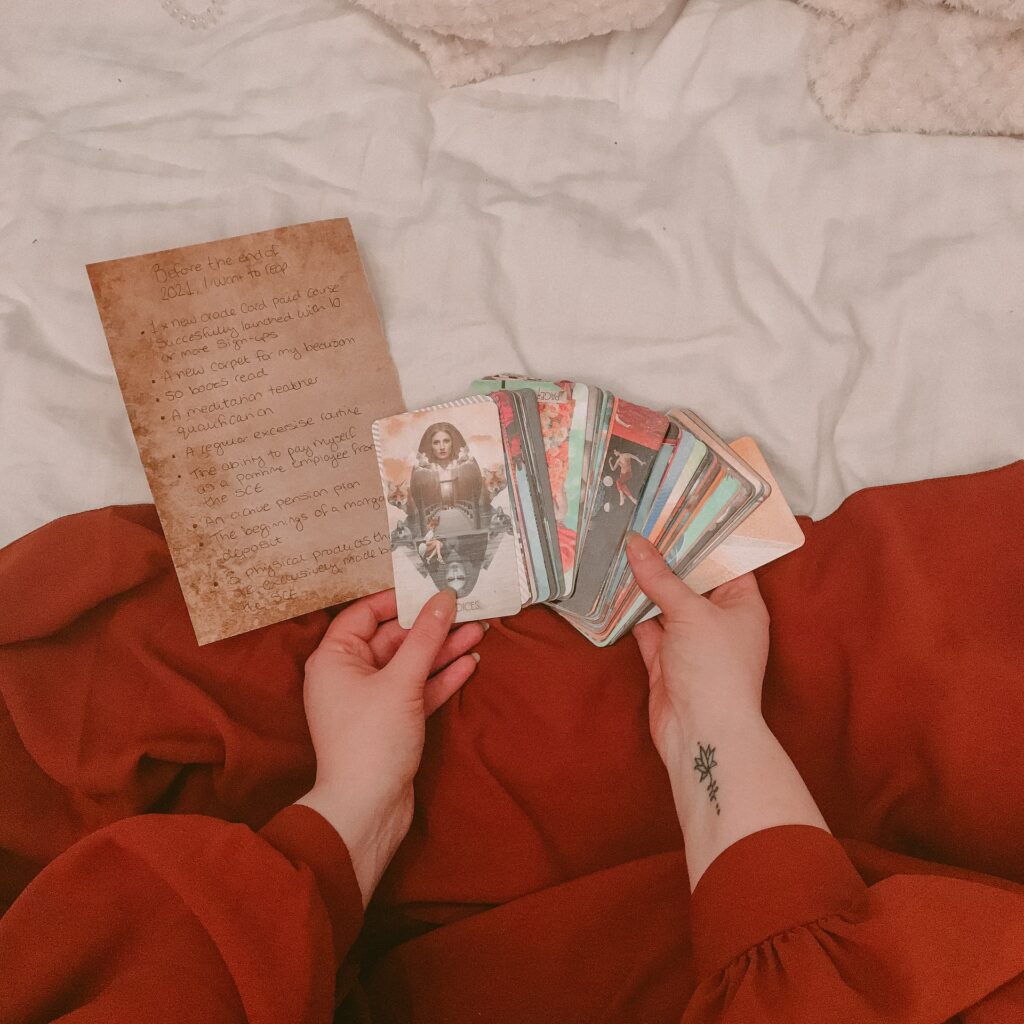
Consider the cards’ size and shape. Can you hold the deck comfortably? Would the cards fit the space where you plan to read? Large cards can make the artwork easier to see, while smaller cards may be easier for your hands to shuffle.
A shop may have a sample deck you can handle. When buying online, check the listed dimensions and photographs. Think about what you will use most often, whether that is a daily draw, a reading at a table or a quiet period of meditation.
The color palette is another practical part of your choice. You might enjoy soft, muted scenes or respond more strongly to bright colors and bold details. Take time to see what you are drawn to.
Begin with a deck you want to use
Some people prefer to receive a deck as a gift. You can also choose and buy your own. What matters for your practice is having cards you are willing to work with and learn from.
You may eventually collect several decks and use them for different purposes. For now, spend time with the one you have chosen. Look through it, notice which cards you recognize and which puzzle you, and begin getting to know the deck one card at a time.